
Nutrition 101: Designing the Perfect Diet Plan for Your Dog's Needs
Learn how to design a simple diet plan for your pup that supports optimal dog nutrition through balance, consistency, and smart everyday choices.

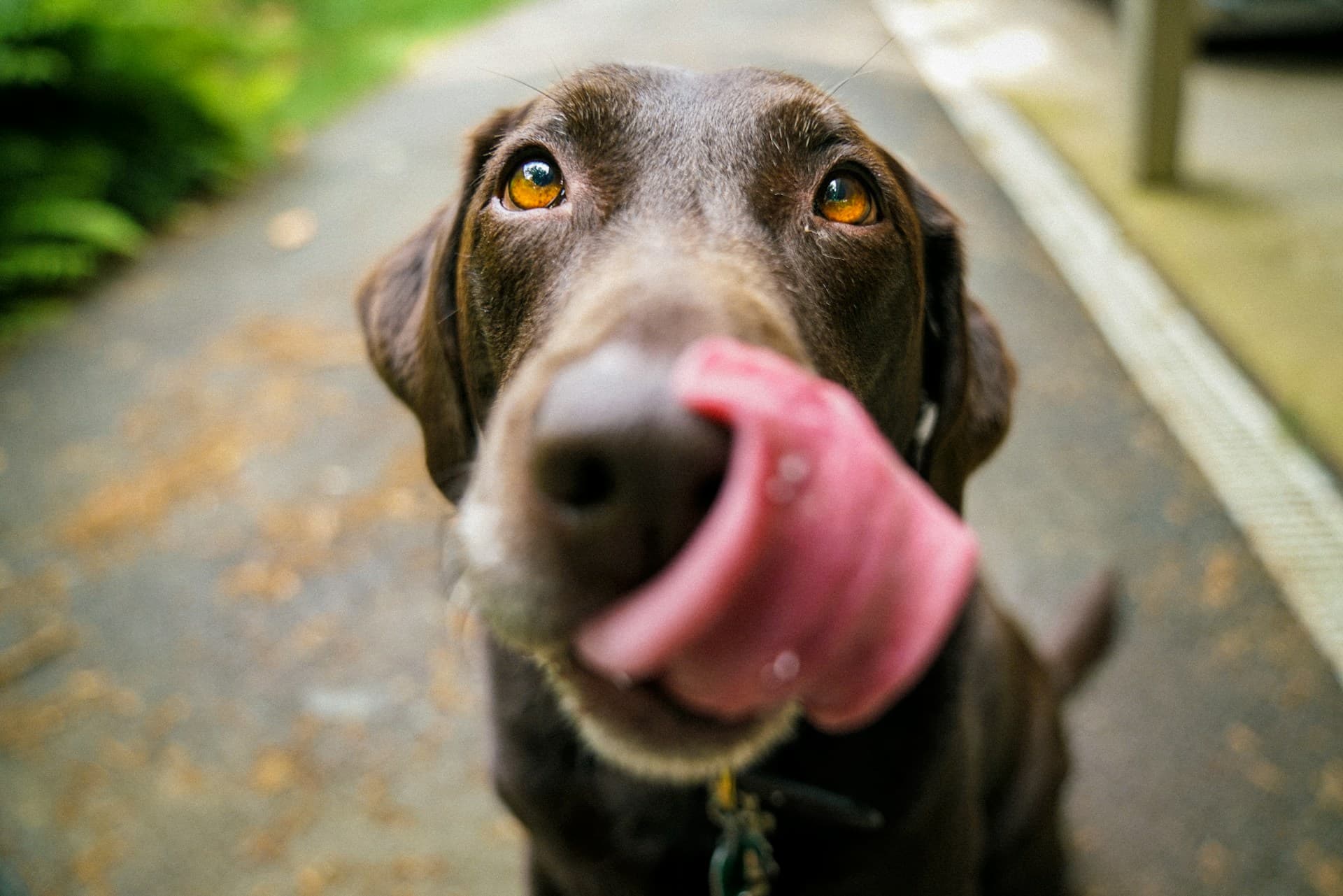
You are what you eat, right? Well, so is your pup. After all, feeding your dog goes beyond simply filling their bowl and hoping they eat. From supporting their daily energy needs to thinking of their comfort and overall wellbeing, what your dog eats plays a vital role in their life.
And with so many food options available today, building a thoughtful meal plan can feel overwhelming. That’s why we’re here to help. This bite size dog nutrition guide is designed to help you understand the basics, make more informed choices, and create dog diet plans that actually work for real life (both yours and theirs).
While we’re not veterinarians and can’t offer medical advice, we can explore general principles that support optimal dog nutrition — all so we can help you feel more confident about what goes into your dog’s bowl each day.
Why nutrition plays such a big role in your dog’s life
What your dog eats affects far more than just hunger. A balanced diet helps support steady energy levels, a healthy digestion, a shiny coat, and a strong immune system. Over time, consistent nutrition choices can even influence your pup’s behavior, focus, and overall comfort.
That said, it’s important to remember that there’s no universal “perfect” food for every dog.
Ultimately, the “best diet” for your dog is one that meets them where they are — taking into account their age, size, activity level, and personal preferences — while still remaining practical and sustainable for you.
Understanding the building blocks of dog nutrition
At its core, dog nutrition comes down to balance. Nowadays, most commercially available dog foods are designed to be complete and balanced. This basically means they provide all of the essential nutrients in appropriate proportions.
The main components you’ll typically find in dog food include:
Protein: Protein supports muscle maintenance, tissue repair, and everyday movement. It’s one of the primary building blocks in most dog foods and often comes from animal-based or plant-based sources.
Fats: Fats provide a concentrated source of energy and help support skin and coat health. They also play a role in making food more satisfying and palatable for dogs.
Carbohydrates: Carbohydrates offer an accessible energy source and often come from ingredients like grains, vegetables, or legumes. For many dogs, they help support sustained energy throughout the day.
Vitamins and minerals: These nutrients support normal bodily functions such as immune health, bone structure, and overall balance. They’re typically added in precise amounts to help round out a complete diet.
Water: Fresh water is just as important as the food itself. Hydration supports digestion, circulation, and temperature regulation, making constant access essential.
At the end of the day, choosing high-quality dry or wet dog food (more on that later) from reputable brands can simplify this process — especially when products clearly explain their ingredients and feeding guidelines. Similarly, proper dog food storage containers that keep food fresh and protected from moisture can also help preserve quality over time.
Exploring common dog diet plans
Most pet parents rely on one of a few main feeding approaches, each with its own benefits.
While only your vet can tell you with certainty what’s best for your pup, understanding how these options differ can help you choose a plan — or combination — that fits your dog’s needs and your daily routine.
Dry food (kibble)
Dry food, commonly known as kibble, is one of the most widely used feeding options. Why? Because it’s convenient, cost-effective, and easy to store — three qualities that make it especially appealing for busy households and dog owners who are still finding their footing when it comes to work-life-pet balance.
High-quality kibble is typically formulated to be complete and balanced, meaning it can serve as a dog’s primary diet. Lots of brands out there also offer formulas tailored to specific life stages, sizes, or activity levels, making it easier to match food to your dog’s lifestyle.
Because kibble is portioned easily, it can also help with consistency and routine feeding, which is especially important if you live in a city apartment and rely on routines to keep your dog happy and comfortable.
Wet food
Wet food is often more aromatic and appealing, which can make it a great option for picky eaters or dogs who need extra encouragement at mealtime. Additionally, its higher moisture content can also be beneficial for dogs that don’t naturally drink that much water.
Some pet parents use wet food as a full meal, while others mix it with kibble to add variety and flavor. When doing so, it’s important to adjust portions accordingly to avoid overfeeding. That said, many owners find that wet food works especially well as an occasional rotation rather than an everyday staple.
Fresh or gently cooked meals
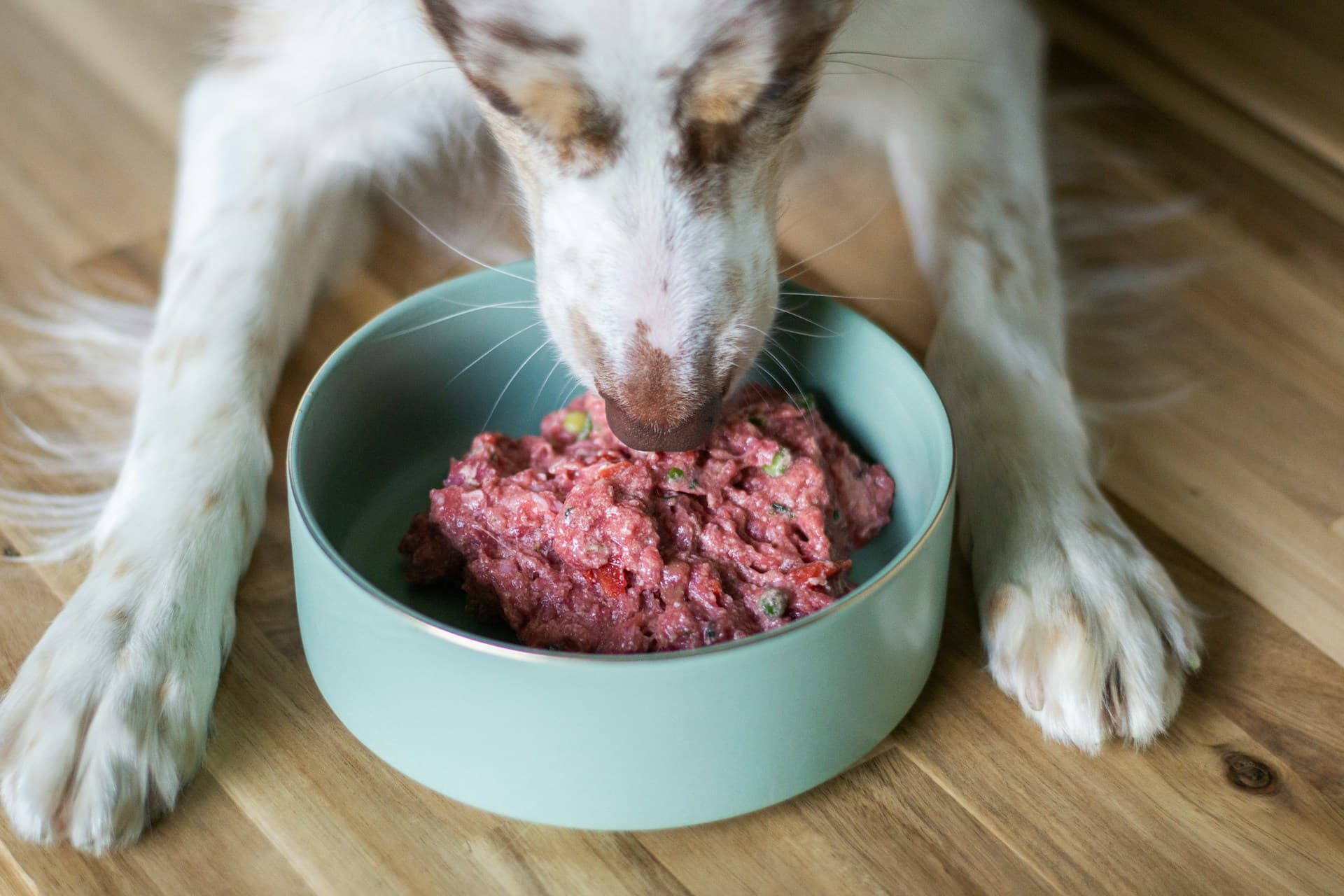
Commercially prepared fresh or gently cooked dog meals have become increasingly popular in recent years due to growing interest in ingredient transparency and food quality. These foods are typically made with whole ingredients and lightly cooked to preserve flavor and texture.
When sourced from reputable companies, gently cooked meals are formulated to meet general nutritional standards and can be fed on their own or alongside kibble. Some owners use fresh food as a topper, while others rotate it in for variety.
As with any diet change, however, transitions should be gradual to help dogs adjust comfortably.
Mixing feeding approaches responsibly
If you’re not sure which approach might be right for you — or if your dog is struggling at mealtime — mixing different types of food can offer variety. At the same time, it can also keep mealtimes interesting, with the added bonus of consistency.
Nonetheless, this doesn’t mean you should just change things up all at once. Sudden changes, even if you’re transitioning between high-quality foods, can sometimes lead to digestive upset.
To avoid any issues, gradual transitions over several days, along with clear portioning, help maintain balance. While feeding guides from trusted brands provide a helpful starting point, keeping a close watch on how your dog responds is just as important when fine-tuning their routine.
Other factors that shape your dog’s ideal diet plan
Every dog is different, which is why dog diet plans should always be flexible rather than rigid.
Age is one of the biggest factors. Puppies generally need more calories and nutrients to support growth, while adult dogs benefit from maintenance-focused diets. Seniors often thrive on gentler formulas designed for aging bodies.
Size and lifestyle also matter. A highly active dog may need more energy-dense meals than a dog with a calmer routine. Paying attention to how your dog responds to their food — including energy levels, appetite, and coat condition — can help guide adjustments over time.
Using simple tools like portion-control scoops or measuring cups can make feeding more consistent and prevent accidental overfeeding, especially when routines get busy.
Creating a feeding routine that’s easy to stick to
Once you’ve nailed down what to feed your pup, it’s time to consider how and when you’re serving those meals.
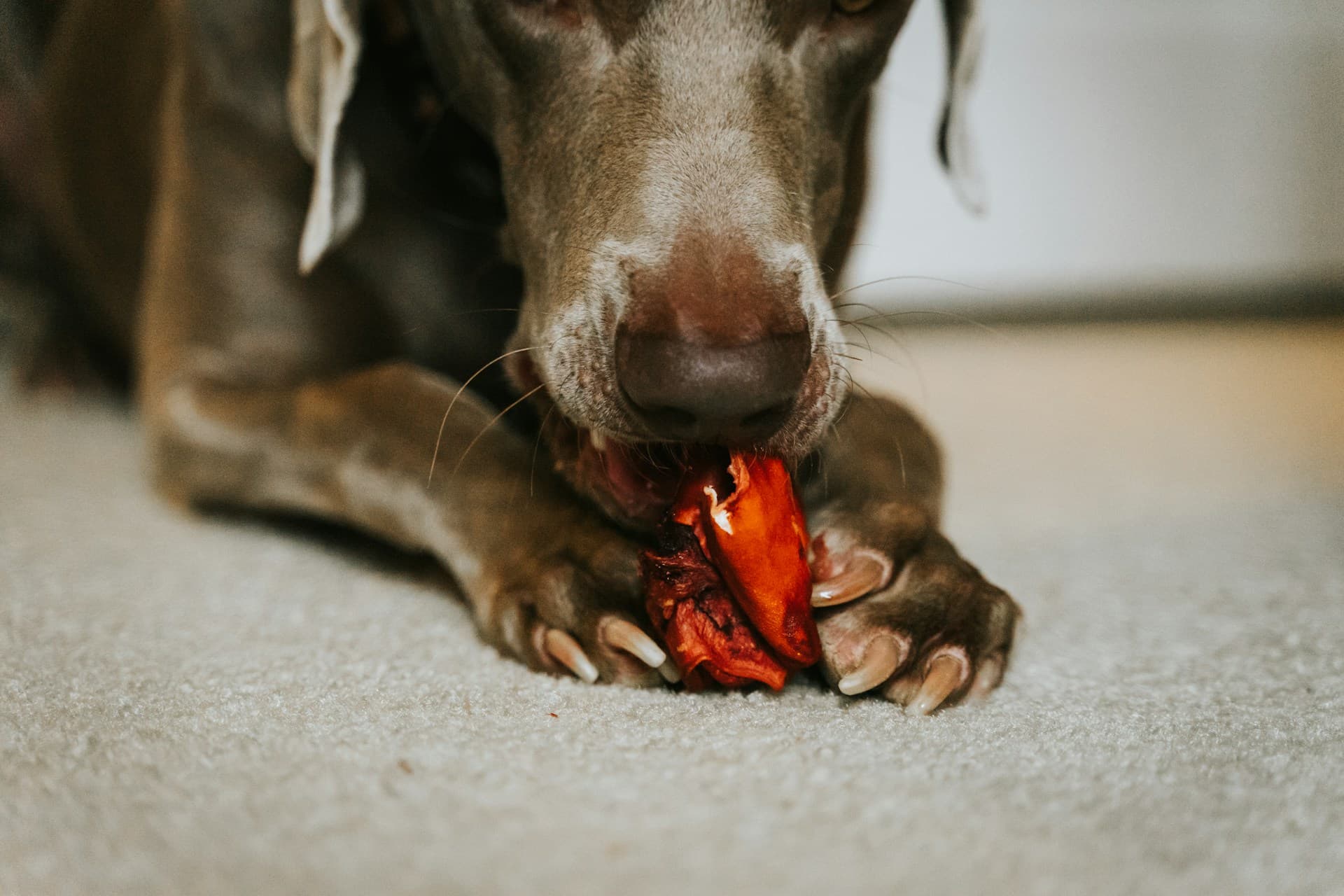
Like with pretty much everything in your dog’s life, consistency is one of the most underrated parts of optimal dog nutrition. Feeding your dog at regular times each day helps regulate digestion and sets clear expectations, which can make daily routines feel calmer and more predictable. That way, you’re not dealing with constant begging, skipped meals, or an anxious pup hovering around the kitchen — or, worse, a dog that’s unsure when their next meal is coming.
As we mentioned earlier, how much you feed your dog is also just as important as what goes into the bowl. Portion control plays a big role in maintaining balance over time, especially as your dog’s activity level or routine changes. And believe it or not, treats count, too! Treats are a great tool for training and bonding, but they’re still part of your dog’s overall intake and should be factored into the bigger picture rather than added on top without thought.
There are also a few simple ways you can make mealtimes more engaging and intentional. Tools like slow feeders bowls, puzzle bowls, and other interactive dog toys turn eating into a mentally stimulating activity — encouraging dogs to slow down and stay focused instead of rushing through meals. This can be especially helpful for dogs that tend to eat too quickly or get bored easily!
Finally, for households with unpredictable schedules, automatic pet feeders can be a game-changer. They help maintain consistent feeding times without adding stress, especially on days when work, errands, or travel keep you away longer than planned.
Supporting nutrition beyond the bowl
Focusing on your dog’s nutritional needs shouldn’t stop once the bowl is empty. For one, making sure your pup always has access to fresh, clean water is just as important as choosing the right food, especially for dogs that primarily eat dry food. After all, hydration plays a key role in digestion, circulation, and overall comfort, yet it’s something that’s easy to overlook in daily routines.
That said, there are some dogs that naturally drink less than others. In those cases, small, dog-safe additions — like a splash of low-sodium bone broth mixed into meals — can make hydration much more appealing without turning it into a major change. Elevated bowls or pet water fountains can also encourage more frequent drinking by making water easier to access or more interesting.
Beyond food and water, many pet parents also explore everyday supplements as part of a broader wellness routine. Options like general multivitamin chews or omega-rich toppers are commonly used to support coat condition or overall balance.
FRESHLY FETCHED TIP: While supplements aren’t necessary for every dog, they’re something worth discussing with your veterinarian before adding to your dog’s routine to make sure they align with your dog’s individual needs.
Finally, paying close attention over time is one of the most valuable tools you have. Noticing changes in energy levels, appetite, stool consistency, drinking habits, or enthusiasm around meals can help you fine-tune routines and spot when something may need adjusting.

Designing a diet that works for your dog
No matter your dog’s age, breed, or lifestyle, creating the right feeding plan isn’t about all-or-nothing perfection.
Instead, ensuring your dog is eating well and staying nourished requires a thoughtful combination of paying attention, staying consistent, and always having a willingness to adjust.
By understanding basic nutrition principles, choosing quality foods, and building sustainable routines — along with communicating with your vet when necessary — you can support your dog’s wellbeing in a way that feels manageable and informed. And without necessarily relying on fad diets or wasting away all of your money on overhyped products.
From what goes into the bowl to how and when meals are served, optimal dog nutrition is about balance. And when you find what works for your dog, mealtimes become one more way to support a happy, healthy life together.

About Freshly Fetched Team
The Freshly Fetched team are passionate dog owners who love nothing more than exploring the world with their four-legged companions. Our mission is simple: help dog owners make better decisions for their pets and enjoy life together, one fetch at a time.
Related Articles

How to Reduce Anxiety in Dogs Naturally
Discover natural ways to reduce dog anxiety using holistic training, mental stimulation, nutrition, and gentle support to improve your dog’s mental health.

How to Prevent Canine Dental Disease
Learn how to prevent canine dental disease naturally with safe home remedies, better habits, and vet-approved dog dental care tips to keep them smiling longer.